Elon Musk's Neuralink Blindsight Awaits Only Regulatory Clearance as Chinese Visual BCI Companies Race Forward

On October 30, Elon Musk posted a series of updates on X outlining progress across Neuralink's brain-computer interface (BCI) product line. He said the company's second product, Blindsight, is engineering-ready and now only awaits regulatory approval before it can be deployed.
"The second product is called Blindsight," Elon Musk wrote. "It will let people who are completely blind—even those who have never seen light—see the world again. The engineering is ready; we're just waiting on regulatory clearance." The post also referenced his earlier description of the first product, Telepathy, which aims to enable high-speed thought-based communication between humans and computers, or between people. Elon Musk said Telepathy's output bandwidth will, within a few years, "far exceed the fastest human speaking or typing speed."
Blindsight works by implanting microelectrodes in the visual cortex to directly stimulate neurons, letting the brain perceive points of light that combine into images—bypassing damaged or missing eyes and optic nerves. This "skip the eye, write to the brain" cortical approach is being pursued by several Chinese teams as well. The one closest to Neuralink in product shape and clinical path is Mindtrix (明视脑机).
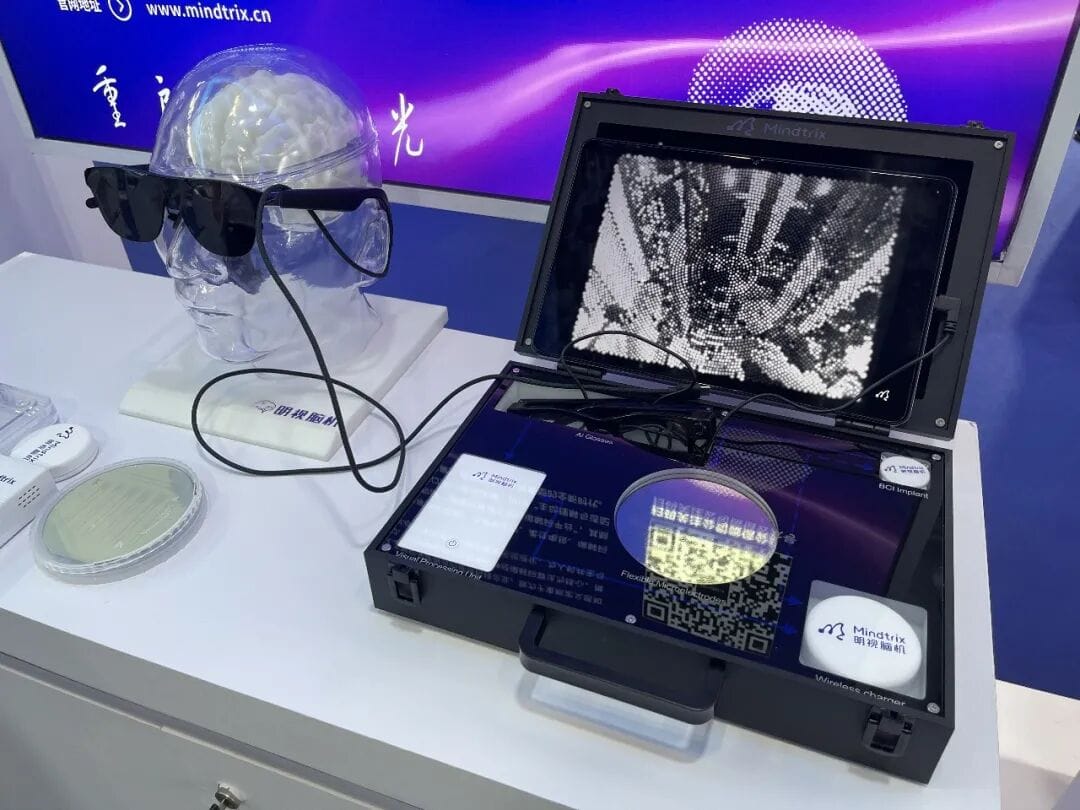
Mindtrix focuses on visual cortical stimulation. Its system uses a 1,024-channel flexible electrode array: an external camera captures images, an algorithm encodes them, and the implant delivers targeted stimulation to the primary visual cortex. The team has completed several investigator-initiated trials (IIT) at Wuhan Tongji Hospital, validating complex shapes, multiple colors, grayscale gradients, and even in-brain perception of structured Chinese characters such as "7" and "八." It is one of the few domestic cortical teams to have demonstrated the full chain of "shape + color + grayscale + Chinese-character writing." Mindtrix plans to begin IIT trials in totally blind patients this year, enter registered clinical trials around 2028, and target a first commercial product around 2030.
On the same cortical route, XS Vision (芯生视界) plays more of an infrastructure role: it has developed a self-designed 28nm BCI SoC and proposed a "10,000-channel neural graphics card" architecture, drawing on more than 100 cases of human visual-cortex stimulation data. Its first prototype is expected by the end of 2026, positioning it as the high-bandwidth "base layer" for visual writing. Yaotong Technology (曜同科技) recently completed early IIT work at Shanghai Seventh People's Hospital, using electrodes already implanted in epilepsy patients to reliably induce phosphenes in the visual cortex and synthesize simple characters such as "口" and "田," proving the spatial encoding of Chinese strokes is feasible—though it remains at the exploratory stage.
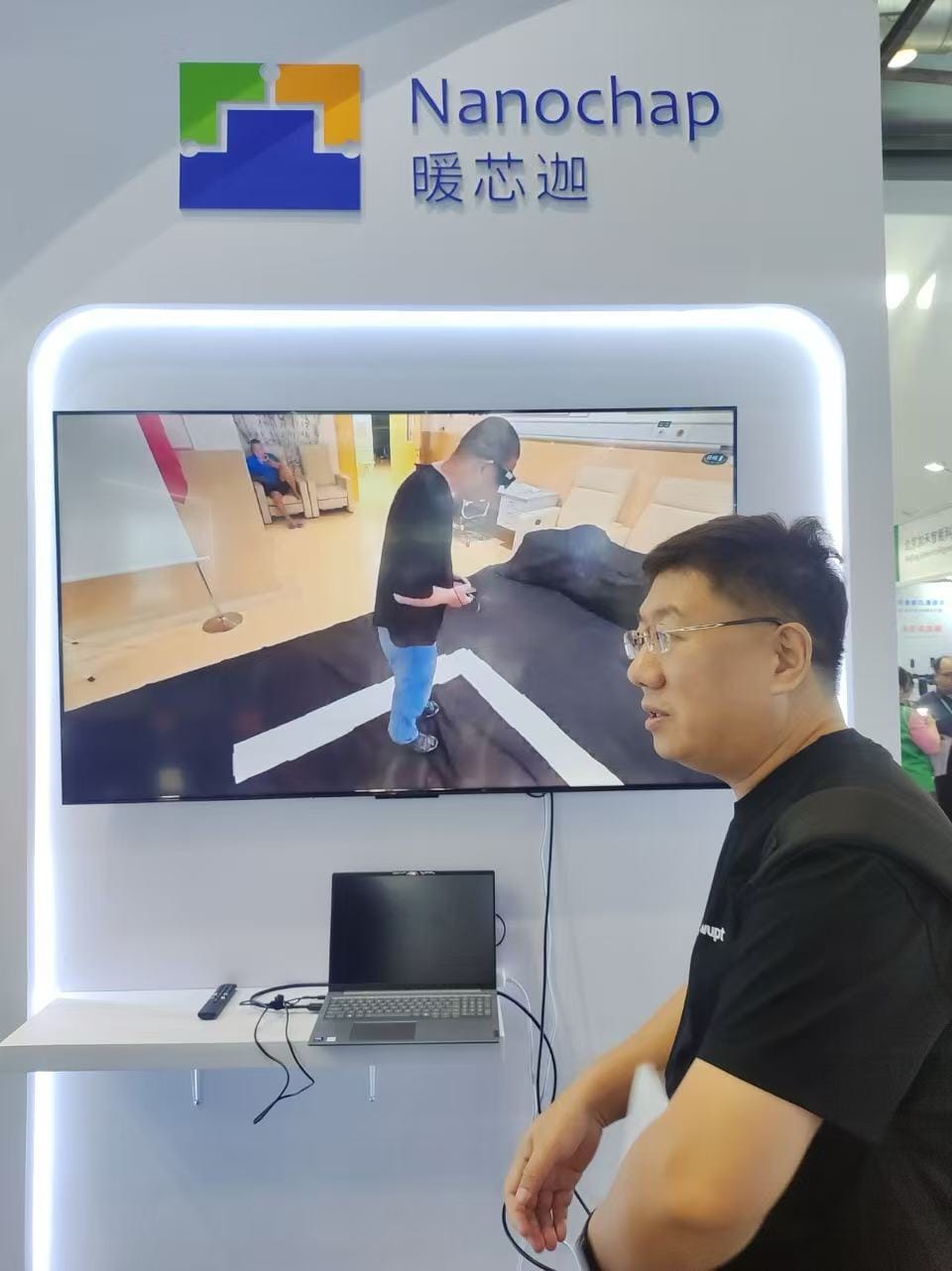
A more near-term path is the retinal route. Nanochap (暖芯迦) completed China's first 320-channel retinal implant procedure in 2026; a subject blind for nearly 20 years gradually regained light perception after surgery, and could write Chinese characters, grasp objects, and walk independently. IntelliMicro's IMIE Intelligent Retina is also advancing through clinical trials at Xiangya Hospital. These solutions avoid craniotomy and have a narrower eligible population, but their engineering and regulatory paths are shorter.
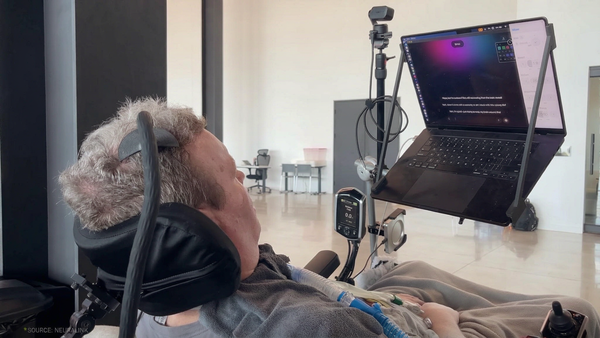
Back at Neuralink, Telepathy is already in multi-country clinical trials, mainly helping paralyzed patients with spinal-cord injury or ALS control computers and phones with their thoughts. Public data show participants have logged over 15,000 hours of use. Blindsight, by contrast, has not yet begun broad human implantation; Elon Musk has said the first trials could start within months, depending on regulators.
Elon Musk has also been candid that Blindsight's early image quality may resemble the pixel art of early video games. But as electrode density and algorithms improve, resolution should rise steadily—eventually surpassing natural vision and adding infrared and ultraviolet bands. If realized, it could redefine daily life for tens of millions of visually impaired people worldwide.
For now, neither Neuralink nor the Chinese teams have cleared the final test of long-term safety and efficacy. Impressive IIT demos are still years away from large-scale registered trials and real commercial use. Regulation and validation remain the door between "seeing points of light" and "seeing the world." But one thing is clear: visual restoration is moving from science fiction toward the eve of the clinic.