Neuralink Receives FDA Approval to Launch LINK Trial

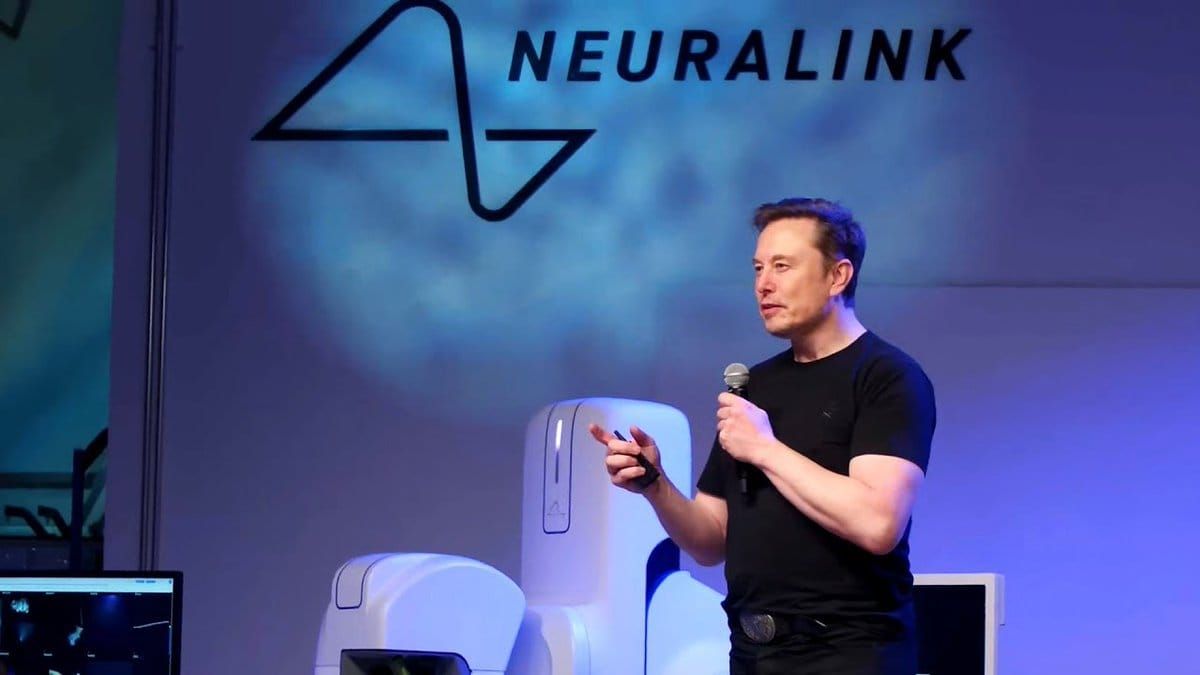
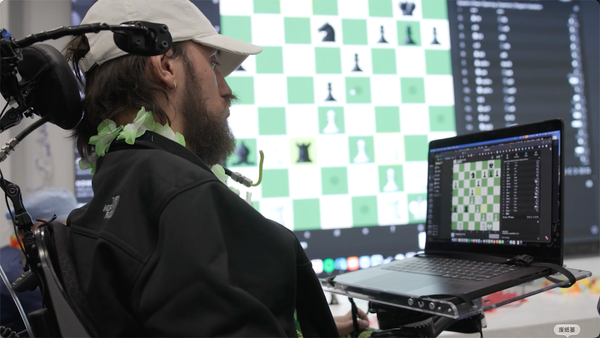
On November 26, Neuralink announced it has received FDA approval to launch the LINK trial — the first pivotal clinical trial for an implantable brain-computer interface (BCI) in the United States. It targets patients with severe paralysis caused by ALS. The trial builds on earlier feasibility studies involving more than 30 participants, which focused on validating implant safety and basic functions such as thought-controlled cursor movement, typing, and speech decoding.
According to Neuralink co-founder and President DJ Seo, the LINK trial will enroll 20 participants, with the primary endpoint assessed at 90 days. Once the 20th participant reaches the primary endpoint, Neuralink will submit a Premarket Approval (PMA) application to the FDA. PMA is the FDA's most stringent regulatory pathway for Class III devices — it is not approval to run a trial, but approval to sell the device. FDA review of a PMA typically takes several months.
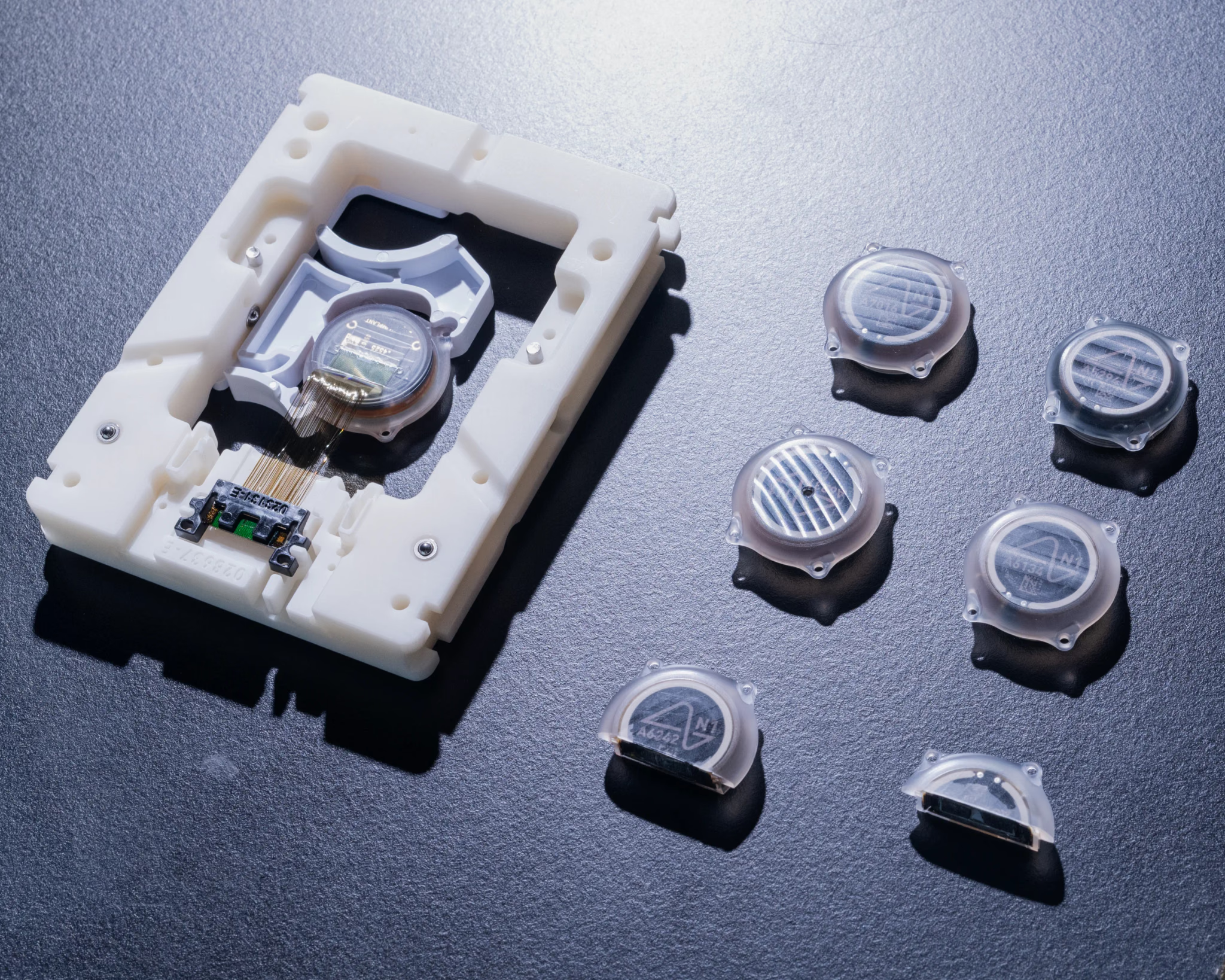
On the hardware side, the N1 implant is a thousand-electrode-class device. Public materials cite two configurations — 64 threads × 16 electrodes or 128 threads × 8 electrodes — both totaling 1,024 electrodes, inserted into the motor cortex by the R1 surgical robot.
Meanwhile, China's invasive BCI sector is advancing quickly.
StairMedTech's WRS 01 is a 256-channel minimally invasive fully intracortical system with flexible electrodes penetrating the cortex. It has accumulated 42 long-term implants, over 5,000 days in vivo, and more than 10,000 hours of brain-control use. In August 2026, its multicenter registrational trial completed full enrollment.
BCIFlex's LEAP system uses 128-channel flexible intracortical electrodes with a fully implantable wireless recorder. In May 2026, Beijing Tiantan Hospital led 11 centers to launch the GCP registrational trial, planning 32 cases with completion expected in 2027. The next-generation 1,024-channel product is already finalized.
Neucyber's Beinao-2 is a 512-channel wireless fully implantable intracortical array, currently in large-animal testing, with human clinical validation planned for late 2026 — not yet in humans.
Mindtrix is pursuing a different branch — cortical "writing" rather than "reading," placing electrodes in the visual cortex for visual restoration in blind patients. The engineering target is a 1,024-channel flexible electrode array with a fully implantable wireless closed loop. Current work relies on exploratory studies using intracranial electrodes implanted during clinical treatment; investigator-initiated trials (IIT) for blind patients are still underway, with registrational clinical trials and Class III certification expected around 2030.

Placed on one timeline, the contrast is clear. Neuralink's N1 has the highest channel count on paper and the most mature robotic insertion and wireless packaging, but LINK is only the starting line of a pivotal trial — still one PMA away from being sellable. StairMedTech's 256 channels are fewer, yet its registrational enrollment is already complete and it holds the most long-term implants globally on the same route. BCIFlex sits mid-registrational trial. Neucyber's Beinao-2 is still at the clinic door. Mindtrix leads the writing branch but remains distant from registrational trials.
So the fairer read: Neuralink wins on engineering ceiling; Chinese players win on regulatory pace. The U.S. PMA path has just stepped on the gas, while China's NMPA Class III route has already rounded the "from demonstrable to approvable" bend — StairMedTech got there first. Different races, same hurdle — and on that hurdle, StairMedTech and Neuralink are almost neck and neck.
One more note: on the morning of December 6, the Pujiang Forum BCI Conference will host a "Writing BCI — From Visual Restoration to Sensory Reshaping" sub-forum, organized by Mindtrix, launching the Visual Restoration BCI Industry Development White Paper. It will line up the three writing routes — visual cortex, optic nerve, and retina — against a shared ruler. Worth watching if you follow the writing camp.