Neuralink P22: BCI Experience Crushes Eye-Tracking, Totally Different League


On November 2, Neuralink's 22nd implant recipient, ALS (amyotrophic lateral sclerosis) patient Zach McManus, publicly shared his experience. Having tried both traditional eye-tracking and Neuralink's brain-computer interface (BCI), he stated the latter is "not even in the same league"—boasting clear advantages in speed, accuracy, outdoor usability, and control of external devices, calling it the best option currently available for people with quadriplegia.
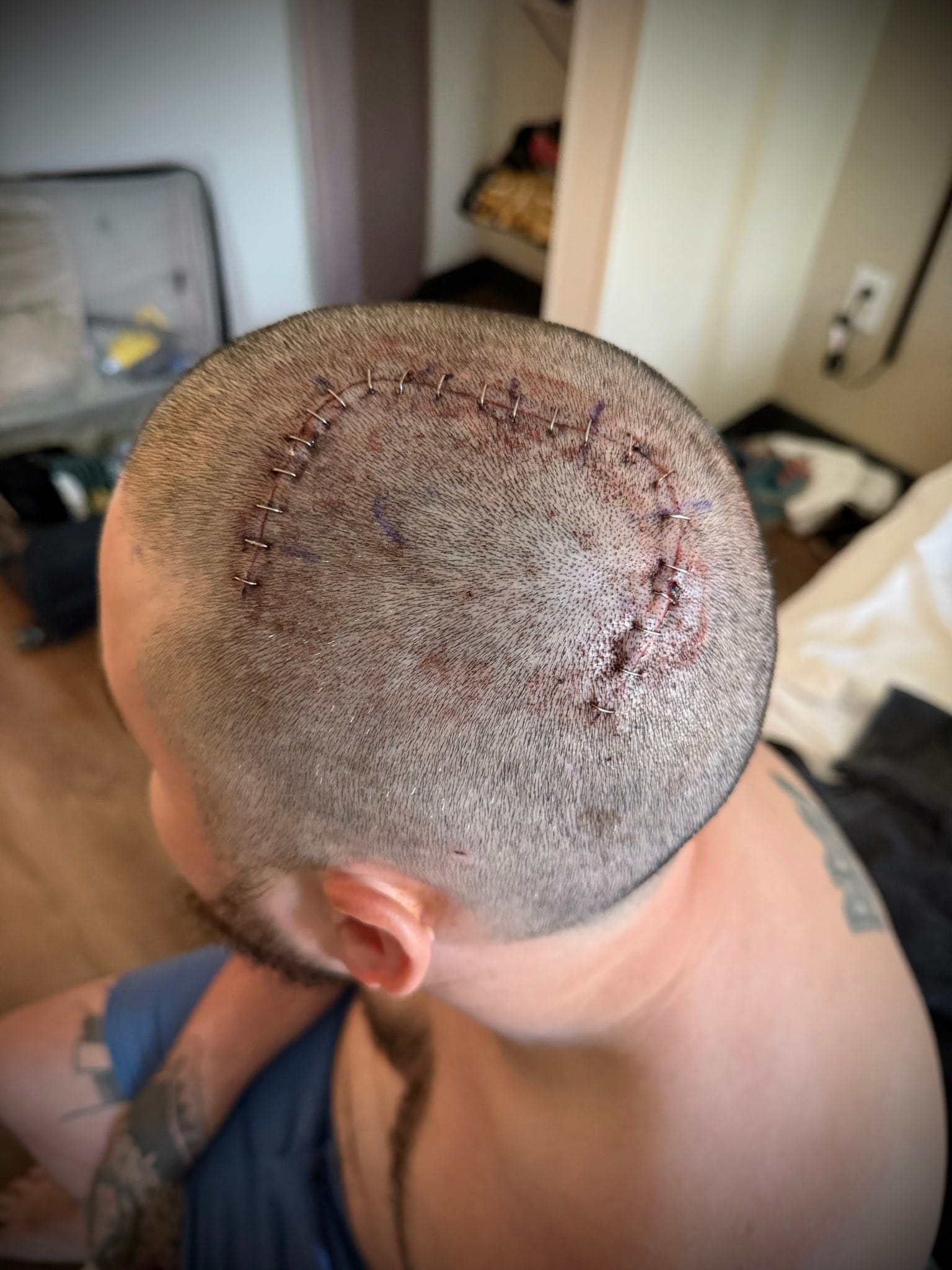
Zach is a participant in Neuralink's PRIME Study and underwent the implantation surgery at Barrow Neurological Institute in Phoenix, Arizona. He recently shared photos of his surgery scar and a video of himself controlling a phone using the system shortly after the procedure. The system calibrated in about 15 minutes and was ready for smooth operation, feeling like "holding a mouse myself."
The comparison came up during a discussion with ALS caregivers. Caregivers noted that while eye-tracking helps patients communicate, it comes with major pain points: tedious calibration, sensitivity to bright light, the need to maintain a fixed posture, and significant mental fatigue, causing many patients to burn out and give up. Zach explicitly stated that Neuralink doesn't have these limitations—it works outdoors, controls more external devices, and significantly outperforms traditional solutions in overall experience.
The two technologies are fundamentally different. Eye-tracking relies on infrared cameras to capture gaze trajectories, translating gaze points into cursor control or character selection. Users must keep their heads steady and depend on residual eye muscle function. Prolonged use easily causes visual fatigue and is sensitive to lighting conditions. Neuralink's invasive BCI approach is different: electrodes are implanted directly into the motor cortex to record neuronal activity (spikes), decoding the user's movement intention—without relying on the eyes or any residual muscle activity. Theoretically, it offers higher bandwidth, more natural control, and supports more complex multi-device interactions.

In China, former JD.com vice president and ALS patient Cai Lei is a heavy user of eye-tracking technology. Paralyzed and only able to move his eyes, he relies on an eye-controlled device to work over ten hours a day, managing scientific research collaborations and drug development. He has also publicly stated that if eye-tracking eventually fails him, he is prepared to try a brain-computer interface and has been following technological developments, including those from Neuralink.
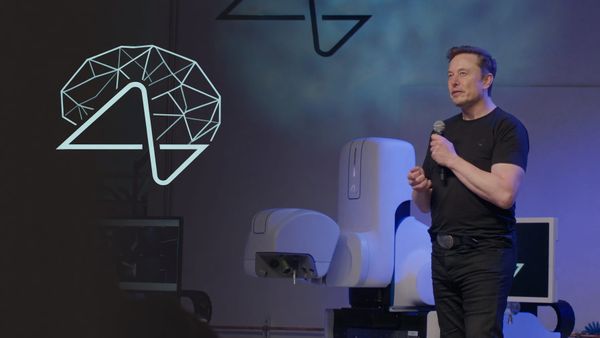
Currently, Neuralink's N1 Implant (the Link) allows paralyzed patients to control computers and phones via BCI, with some ALS participants achieving fast text input. Compared to assistive devices that rely on eye movement and specific lighting conditions, BCIs demonstrate vastly different possibilities in terms of bandwidth and usage scenarios.
However, it's important to stay grounded: the device is still in the clinical trial phase. Long-term safety, the breadth of applicable patients, and future accessibility still require more data. At the very least, Zach's comparison provides a tangible reference point for the ALS community.