Neuralink Registers PRIME 2 Trial, First to Include Chronic Ischemic Stroke Patients


On November 11, US brain-computer interface company Neuralink officially registered an early feasibility study called PRIME 2 on ClinicalTrials.gov, currently listed as recruiting.
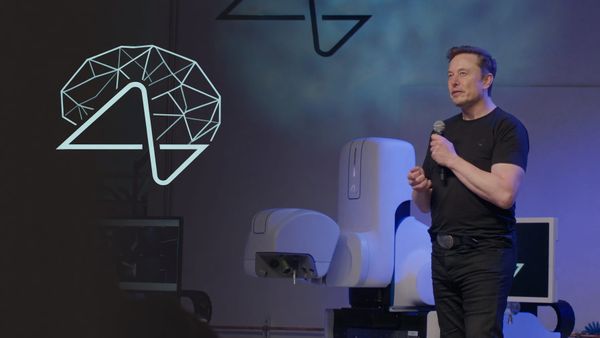
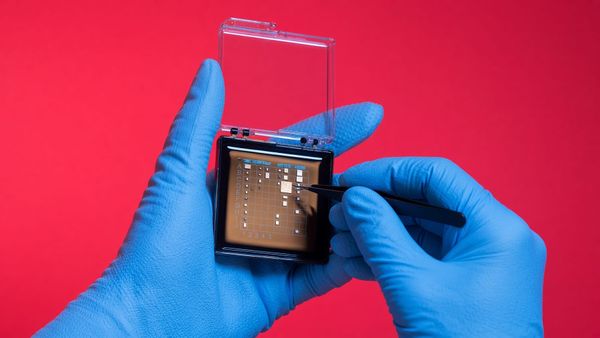
For the first time, the study includes patients with upper limb dysfunction caused by chronic ischemic stroke in its indications. It plans to enroll no more than 10 adult subjects at up to 5 centers in the United States, to evaluate the safety and preliminary effectiveness of its fully implantable N1 BCI system and the accompanying R1 surgical robot.
The only publicly disclosed trial site in the registration information is the University of Miami, with the principal investigator being Dr. Jonathan Jagid, professor of clinical neurosurgery at the university. The study is expected to start in November 2026, with primary results anticipated around November 2027, and full follow-up potentially extending to around November 2031.
Subjects will receive the N1 device implanted in the motor cortex by the R1 robot, and will control a computer cursor or virtual keyboard through their own neural signals. The study has no control group, focusing on observing serious adverse events (SAEs), while evaluating digital activities of daily living (dADLs), computer control performance, and feedback from patients, doctors, and caregivers.
Inclusion criteria cover three groups: spinal cord injury (disease duration at least 12 months), ALS (amyotrophic lateral sclerosis), and chronic ischemic stroke. Among them, stroke patients must have had the onset at least 12 months prior, with residual hemiplegia on the dominant side and significantly limited function.
PRIME 2 is an extension of the previous PRIME study. The original PRIME trial was launched in early 2024, with the first implantation on January 28, 2024, at Barrow Neurological Institute in Phoenix, performed on Noland Arbaugh, who had quadriplegia due to spinal cord injury.
The University of Miami subsequently became the second US trial site for the study and has completed multiple implantation surgeries, including on patients such as veteran RJ. In early studies, subjects controlled computers and smartphones through thought, with some able to play games, design, study, and communicate in daily life.
The company reported that cursor control speed has reached 11.32 bits per second in some subjects, approaching or exceeding average mouse use levels; some participants use the device for several hours daily, with improved independence. Early issues with electrode thread retraction were alleviated through software optimization. As of November 2026, approximately 27 subjects globally have received implants across related trials.
This expansion of PRIME 2 to include chronic ischemic stroke patients means Neuralink is attempting to push the technology from spinal cord injury and ALS populations further toward stroke sequelae groups.
It should be noted that both the original PRIME and the new PRIME 2 are currently early feasibility studies, primarily aimed at verifying the safety and preliminary functional performance of the device and surgery. Public data remains limited, and clear clinical therapeutic effects have not yet been proven.